Understanding Ourselves: The Anglican Faith

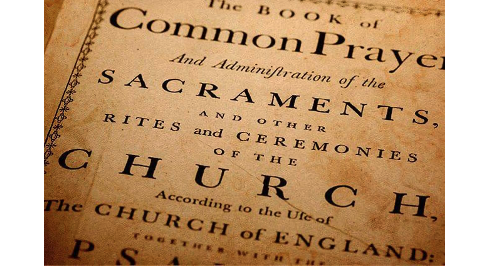
Articles 23. & 24. No one should preach or preside over the Sacraments unless they are lawfully accepted by the church as having been duly called by God, as judged by those who have authority. All worship should be held in a language understandable by the people worshiping.
Article 25. Sacraments are not tokens but actual workings of God’s grace. Christ ordained Baptism and Holy Communion. Confirmation, Penance, Holy Orders, Matrimony, and extreme Unction (Last Rites) were not ordained by Christ but are of human invention (though not contrary to Scripture). Sacraments are not to be worshiped in themselves, but used as means of receiving the Holy Spirit.
Article 26. Those who receive the Sacraments are not dependent upon the Godliness of those administering them, for the Sacrament to be effective, as the Sacraments are works of Christ and not of humans. The church in the world has evil mingled with the good. If someone in authority is found to have done evil, such shall be suitably investigated, appropriately judged, and sentenced.
It is important that the person who preaches does so with wisdom and love, both encouraging the people and drawing them into a closer relationship with God through Christ and the Holy Spirit. Such a person needs special gifting, training, and authorization.
It is important the person presiding over a Sacrament understands how God wishes to work in the Sacrament and can so enact it that God’s will is done, and the people are blessed. Such a person needs special gifting, training, and authorization.
Worship should be in the common tongue of those attending so people can understand with their mind as well as their hearts. Sacraments (outward and visible signs of inward and invisible Grace) are real workings of the Holy Spirit, vehicles we use to participate with the Holy Spirit in its desires – they are not dependent on the moral worthiness of the person presiding, and they are not to be worshiped as things unto themselves.
In the current world, people of the church can do evil as well as good – and if we in the church do evil, that should be investigated, appropriately judged, and consequences given.
The church has recognized specific acts as sacramental, in which God does something. Most significant of these are Baptism and Holy Communion. What do you think God does in Holy Communion? Are there specific actions in your life where you encountered the movement of the Holy Spirit (whether you had emotions associated with it or not)? What are your thoughts on the sharing of today?
+David